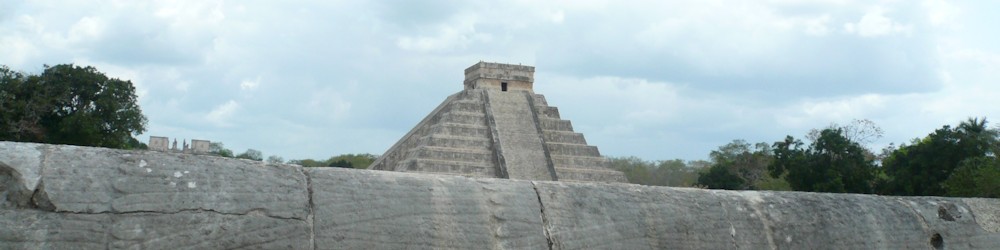
School renovation and intercultural activities in Leon
Leon, Guanajuato July 16 - July 29, 2025
Volunteer project: The objective of this project is to help the Guanajuato’s student community with recreational and renovation activities. The project aims to bring volunteers from different countries together with the youth of Guanajuato and create an intercultural atmosphere through collective work in order to support the sustainable development of the local communities.
Volunteers will restore two public schools and recover forested common areas nearby the schools. There will be also activities with Mexican communities and intercultural exchanges.


Special requirements: This project is open to everyone who is sensible and open minded. It is crucial for the participants to be respectful, open to learning and able to appreciate a different culture.
Language: English
Leisure time: In their free time, volunteers will be able to visit places of interest nearby such as the historic center of the city, parks and monuments, malls and museums. The city of Leon is quite close to the state capital of Guanajuato which has the same name. Travelling there is like stepping back in time; the city is remarkable and offers visitors an authentic colonial experience amidst one of the most picturesque colonial backdrops to be found anywhere in Mexico. Guanajuato is clean, tidy, and very safe. Its cobbled streets twist and turn, so just walking around is an adventure. The city’s maze-like layout often creates opportunities for serendipitous encounters, with visitors discovering things they had never planned to see, but are glad they did.
San Miguel de Allende is one of the most popular towns in Mexico both among Mexicans and foreigners. It is located 100 km from Leon. The town is a UNESCO World Heritage Site since 2008. It has a big expat community and for that reason its colonial center is full with restaurants and bars. Despite being a small town, San Miguel has lots to offer and discover.
Accommodation: Volunteers will be staying at a facility provided by a local high school in a well-located area within the city. The facility is equipped with double rooms, several bathrooms, Wi-Fi, and recreational areas.
Location: The project will be organized in Leon, Guanajuato. León is the most populous city and municipality in the state of Guanajuato, and the biggest city in the Bajio region of Mexico. It is one of the most important centers in Mexico with numerous opportunities for entertainment, gastronomy, leisure activities, arts, and recreation. It is also considered one of the most environmentally friendly cities in Mexico and has a high number of cyclists due to the integrated network of bike lanes. León has a large leather industry, making shoes, boots, belts, jackets, and other leather accessories for national and international markets. The city hosts important national and international events like “Feria Internacional de León”, Hannover Messe, International Balloon Festival and World Rally Championship.
Nearest bus station: León Bus Station
Nearest airports: Bajío International Airport BJX, Guanajuato International Airport, Mexico City International Airport, Guadalajara International Airport
Age range: 18 and over
Summer camp for children in the Morelia Zoo
Morelia, Michoacan July 30 - August 11, 2025
Volunteer project: The Morelia Zoo has stood out for implementing environmental education initiatives. Its main goal is to raise awareness among visitors about the importance of caring for the environment, biodiversity, and the preservation of flora and, especially, fauna. This is achieved through various activities carried out throughout the year.
Each year, the zoo organizes the famous summer camp, a space designed for children who, over the course of three weeks, participate in fun and recreational activities with the support of trained instructors. These activities not only spark curiosity but also foster empathy and love for animals and the planet. In a safe environment surrounded by greenery and a variety of species, children have fun while gaining valuable knowledge about the reality of animals and the impact we can have on their protection.
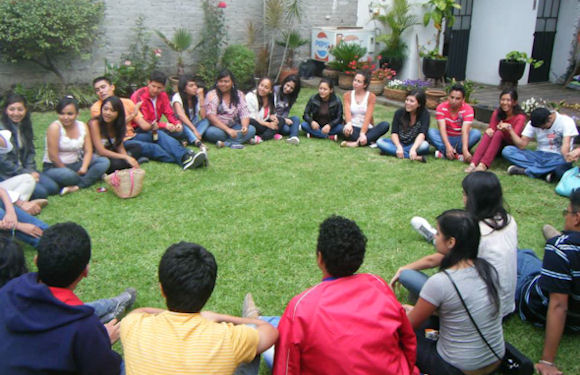
The project's goal is for volunteers to support facilitators and coordinators in running the activities of the summer camp, actively engaging with the children. Through this experience, both volunteers and children will have fun and learn together, promoting values such as empathy, respect for nature, and environmental stewardship.
The volunteers will get a training with the facilitators about conducting activities, games, dynamics, songs, etc., that promote love and empathy for nature, biodiversity and animals among the participating children. Some of the activities that the volunteers will carry out include:
• Renovating some areas of the Zoo.
• Cleaning and repainting spaces to prepare for the arrival of children to the summer camp.
• Preparing recreational activities and games with the local facilitators to engage the children during the summer camp.
• Supporting facilitators and activity coordinators in the summer camp at the Zoo while participating in activities, having fun and learning together with the children.
Special requirements: This project is open to everyone who is sensible and open minded. It is crucial for the participants to be respectful, open to learning and able to appreciate a different culture.
Language: English
Leisure time: Morelia offers a variety of activities for all tastes: Exploration of the Historic Center to admire the colonial architecture of the Cathedral and historic buildings; Visiting the Alfredo Zalce Contemporary Art Museum and the Crafts House; Tasting of local gastronomy. For those looking to surround themselves by natural wonders, Morelia offers many options: Patzcuaro's lake and the ancient pyramids of Tzintzuntzan, the magical towns of Cuitzeo, Patzcuaro and Santa Clara del Cobre, the islands of the Pancada, Janitzio among others that the native cultures identified as the border between worlds, and several ceremonial centers of the Mesoamerican pre-Hispanic times.
Accommodation: Volunteers will be hosted in a hostel located in downtown Morelia. Wi-Fi is provided. Vegetarian food is available.
Location: The project is organized in Morelia city, a very beautiful and dynamic place and the state capital of Michoacan. It is an increasingly popular destination, and rightly so: the colonial heart of the city is so well preserved that it was declared a UNESCO World Heritage site in 1991, and its cathedral is not just gorgeous, it’s inspirational.
Morelia, founded in 1541, was one of the first Spanish cities in Nueva España. The first viceroy, Antonio de Mendoza, named it Valladolid after the Spanish city and he encouraged Spanish nobility to move here with their families. In 1828, after Nueva España had become the Republic of Mexico, the city was renamed Morelia in honor of local hero José María Morelos y Pavón, a key figure in Mexico’s independence.
The city is also famous for its vibrant cultural life, which includes music festivals, theater and cinema. Additionally, Morelia is renowned for its traditional cuisine, with dishes such as tamales, corundas, and carnitas.

Nearest bus station: Terminal de Autobuses Morelia
Nearest airports: Aeropuerto Internacional General Francisco Mujica, Mexico City International Airport, Guadalajara International Airport
Age range: 18 and over
Extra fee: 425 Euro
The extra fee is intended to support the local host of the project who does not have sufficient funds. It is due upon arrival.
Protecting the Sea Turtles in Guayabitos
Rincon de Guayabitos, Nayarit 10 projects of 2 wks from August to February
Volunteer project: Experience the paradise and protect the turtles at the beach! We have been organizing this volunteer project regularly in Rincon de Guayabitos, Nayarit since 2014. The aim of the project is to protect
the sea turtles with the help of volunteers who will be cooperating with a team of biologists. Up to now, the project has been quite successful and has reached extraordinary results. Participating in marine turtle conservation is a great opportunity to discover the rather charming life of sea turtles.
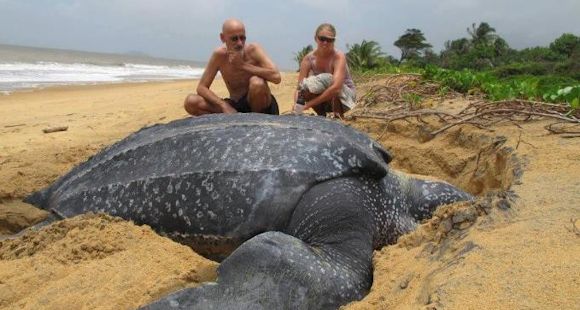
There are five species of turtles arriving to this area: Negra (Black Turtle), Golfina (Olive Ridley Turtle), Laud (Leatherback Turtle), Carey (Hawksbill Turtle) and more! The size of the turtles varies from 1 meter to 2.4 meters long and the weight from 40 kg to 500 kg. Every turtle makes a nest of around 150 eggs.
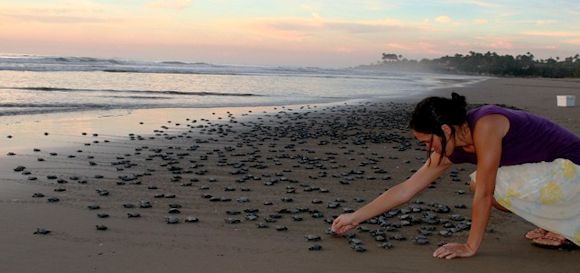
Based on the time of the year, the volunteers will be working during the day or at night in the months of August and September from 8:00pm to 8:00am. Depending on the number of turtles that come ashore, two teams might be formed among the volunteers. This way, each group will be taking turns, working one night and taking the next night off for recovery. In addition, the weekends are also spared for resting. The main work consists in patrolling the beaches at night. The goal is to find the adult turtles and collect their eggs, to move the eggs to a protected place called Vivero and release newborn baby turtles into the sea when they hatch. Activities must be carried out at night since turtles do not go out of the ocean during the day (because of natural predators, it is safer for turtles to get out of the ocean in the dark). The group will also take part in the reconstruction of some of the most important turtle camps in the region.
Please take into account that the schedule is subject to change depending on the weather conditions and the condition of the sea turtles. It is also possible to work with crocodiles in case there is no work with turtles - this can happen mostly in the months of January and February. The coordinator or the group leader will be informing you regarding your work schedule.
If you love nature, want to have a great time by beautiful beaches, and at the same time witness the magical spectacle of natural miracles that has been reoccurring for millions of years... then this project is for you!
Special requirements: This project is open to everyone who is sensible and open minded. It is crucial for the participants to be respectful, open to learning and able to appreciate a different culture.
Language: English
Leisure time: Volunteers will have free time during the day to do many fun and interesting activities and to discover many marvelous places around. The volunteers can learn to surf, go fishing, visit local towns, get to know and enjoy the local culture. Rincón de Guayabitos is well connected by bus to localities and cities around.
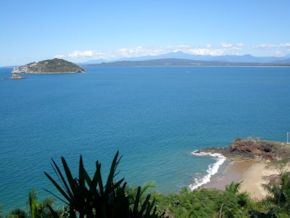
Volunteers will have the opportunity to visit solitary beaches and towns with an extraordinary natural richness. Among those places are Flamingos, with its three beautiful lakes; Bucerias, with a long beach and cobblestone streets; La Cruz de Huanacaxtle, a picturesque fishing town; Destiladeras, a paradise for surfers. Volunteers will have the chance to visit the Islas Marietas - one of the most beautiful places on Earth, or travel to Sayulita - a bohemian town ideal for camping. The beaches of Rincon de Guayabitos with crystal-clear waters and calm waves resemble a large swimming pool. Nearby, participants will find the pre-Hispanic sanctuary of Altavista and the semi-virgin beach named Chacala, the perfect site to be amazed by nature.
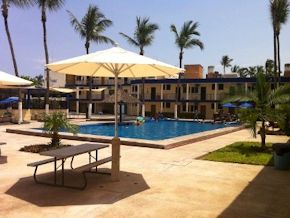
Accommodation: Volunteers will be staying in shared rooms.
Location: Rincon de Guayabitos, also known as Guayabitos, is a beach town located in the astonishing Sierra Madre Occidental, in the state of Nayarit and bathed by the waters of the Pacific Ocean. It is a popular tourist destination due to its proximity to the cities of Tepic, Guadalajara and Puerto Vallarta.
Nestled in the imposing Sierra Madre Occidental, and washed by the waters of the Pacific Ocean, Riviera Nayarit is emerging as one of the most attractive and magic destinations of Mexico. The area extends approximately 300 kilometers along the coast, backed by mountainous jungle and facing coastal islands. There is plenty of remote backcountry for those wanting to see a more rustic side of rural Mexico. Banderas Bay, on the southern section of the Riviera Nayarit, is famous for being the destination spot of thousands of humpback whales that offer an unmatched spectacle. In addition, Puerto Vallarta is famous for its long seafront walkway and its vibrant nightlife. The Huichol Indians are the most famous ethnic group within the region. They are characterized by their eye-catching clothing, hats adorned with feathers and their colorful handcrafts, such as masks and animal figurines made of beads.
Nearest bus station: La Peñita de Jaltemba, Nayarit
Nearest airports: Puerto Vallarta International Airport Licenciado Gustavo Diaz Ordaz, Mexico City International Airport, Guadalajara International Airport
Age range: 18 and over
Extra fee: 435 Euro
The extra fee is intended to support the local host of the project who does not have sufficient funds. It is due upon arrival.
All available dates for this project:
August 13 - August 25, 2025
August 27 - September 8, 2025
September 10 - September 22, 2025
September 24 - October 6, 2025
October 8 - October 20, 2025
October 22 - November 3, 2025
November 5 - November 17, 2025
November 19 - December 1, 2025
January 7 - January 19, 2026
January 21 - February 2, 2026
Environmental protection and awareness program in Leon
Leon, Guanajuato September 10 - September 22, 2025
Volunteer project: León, Guanajuato, faces the challenge of accelerated urbanization, which has significantly reduced green spaces and recreational areas that are essential for the biodiversity and quality of life. However, this situation also presents an opportunity for young people to take an active role in building a more sustainable future. Through this volunteer project, we aim to empower youth with the tools and knowledge to care for the environment and demonstrate that their actions can have a positive impact.
The goal is to promote environmental education, create accessible spaces where young people can engage in ecological activities, and encourage collective action as a solution to protect our environment. Additionally, the project integrates Mexican traditions as a way to connect the community with nature, inviting participants to take part in cultural events and activities that strengthen their sense of belonging and commitment.
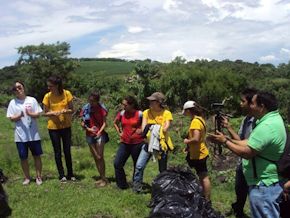 The activities planned for the project are:
• Environmental care workshop in collaboration with youth collectives.
• Green space cleanup and environmental awareness rally for children.
• Ecological exchange in the pedestrian zone: recyclables for plants.
• University lecture and plogging race (jogging while picking up trash).
• Cultural route and visits to iconic tourist sites.
• Visit to the Zoo and metropolitan park with an outdoor picnic.
• Gala commemorating Mexico’s Independence Day at the Municipal Palace.
• Participation in an international night.
• Intercultural activities, including a museum visit, Latin rhythm class, and traditional demonstrations.
Special requirements: This project is open to everyone who is sensible and open minded. It is crucial for the participants to be respectful, open to learning and able to appreciate a different culture.
Language: English
Leisure time: Some recreational activities that can be done are:
- Exploring the Historic Center: walking around the city center, visiting places like the Main Square, León Cathedral, and the Museum of Art and History.
- Zona Piel: Visiting this famous leather market, ideal for buying high-quality products such as shoes, bags, and accessories.
- Museum of the Mummies: Located 30 minutes from León, in the state capital, it features the exhibition of mummies that were found in the city's old cemetery.
Accommodation: Volunteers will be accommodated at a training center, in a simple yet comfortable facility with shared rooms. Vegetarian food is available.
Location: León, Guanajuato, is a city known for its history, leather industry, and culture. It is the largest city in the state and is famous for producing footwear and leather goods. The city also features beautiful colonial architecture, nice local markets, and important festivals like the León International Balloon Festival. With a mix of modernity and tradition, León is a popular place for both tourists and locals.
Nearest bus station: León Bus Station
Nearest airports: Bajío International Airport BJX, Guanajuato International Airport, Mexico City International Airport, Guadalajara International Airport
Age range: 18 and over
Raising awareness about the protection of the Mexican wolf
Morelia, Michoacan September 24 - October 6, 2025
Volunteer project: The Morelia Zoo has stood out for implementing environmental education initiatives. Its main goal is to raise awareness among visitors about the importance of caring for the environment, biodiversity, and the preservation of flora and, especially, fauna. This is achieved through various activities carried out throughout the year.
Every year, the Zoo organizes its traditional cause-driven race, an energetic and meaningful event aimed at raising awareness about the protection of endangered species. This year, the race is dedicated to the Mexican wolf, an iconic species facing significant challenges in its conservation. By participating in this event, you will join a collective effort to protect this majestic animal and its habitat.
The main objective of the project is for volunteers to support the organization and execution of this annual event. Their efforts will be essential in coordinating activities, assisting participants, and ensuring that everything runs smoothly. Through their involvement, not only will the event be a success, but it will also create a positive impact in promoting respect for nature and biodiversity.
Volunteers will carry out the following activities:
• Collaborate in the organization and planning of the race.
• Assist in the preparation and distribution of necessary materials.
• Be involved in the race, helping with various tasks during the event.
• Participate in talks on educational topics related to the event.
• Help receive and coordinate the participation of schools at the zoo.
Special requirements: This project is open to everyone who is sensible and open minded. It is crucial for the participants to be respectful, open to learning and able to appreciate a different culture.
Language: English
Leisure time: Morelia offers a variety of activities for all tastes: Exploration of the Historic Center to admire the colonial architecture of the Cathedral and historic buildings; Visiting the Alfredo Zalce Contemporary Art Museum and the Crafts House; Tasting of local gastronomy. For those looking to surround themselves by natural wonders, Morelia offers many options: Patzcuaro's lake and the ancient pyramids of Tzintzuntzan, the magical towns of Cuitzeo, Patzcuaro and Santa Clara del Cobre, the islands of the Pancada, Janitzio among others that the native cultures identified as the border between worlds, and several ceremonial centers of the Mesoamerican pre-Hispanic times.
Accommodation: The accommodation will be in a hostel located in downtown Morelia. Wi-Fi is provided. Vegetarian food is available.
Location: Morelia, the capital of the state of Michoacán, is a historically and culturally rich city. Founded in the 16th century, Morelia is known for its impressive colonial architecture, including numerous Baroque and Neoclassical buildings, many of which are UNESCO World Heritage Sites.
The city is also famous for its vibrant cultural life, which includes music festivals, theater and cinema. Additionally, Morelia is renowned for its traditional cuisine, with dishes such as tamales, corundas, and carnitas.

Nearest bus station: Terminal de Autobuses Morelia
Nearest airports: Aeropuerto Internacional General Francisco Mujica, Mexico City International Airport, Guadalajara International Airport
Age range: 18 and over
Extra fee: 425 Euro
The extra fee is intended to support the local host of the project who does not have sufficient funds. It is due upon arrival.