International Volunteer
Workcamps 

 
Introduction
 

 Types of projects
 

Volunteer work

 
Board & lodging
 

The volunteer group


Free time


Costs


Terms and conditions


 Enrollment procedure
 

Join a project now !


Quick links

 
Other countries
 

Home page
 

Download area
 

Infopool
 

Contacts


Write to us


Middle & long-term projects
 

Add to 'Favorites'


CADIP office
129-1271 Howe Street
Vancouver, BC, V6Z 1R3
Phone: 1-604-628-7400

Let us call you <<click>>


Volunteer opportunities in Iceland


Do you want to be a ghost in Iceland?
       Stokkseyri
          May 14 - June 4, 2008
       Stokkseyri          June 4 - June 25, 2008
                     Stokkseyri          June 25 - July 16, 2008
                     Stokkseyri          July 16 - August 6, 2008
                     Stokkseyri          August 6 - August 27, 2008
                     Stokkseyri          August 27 - September 17, 2008
                     Stokkseyri          September 17 - October 8, 2008

Volunteer project: If you ever wanted to be a ghost in Iceland, than this is the opportunity that you have been waiting for.
Stokkseyri is a coastal South Icelandic town in the fertile farming district region of Flói. It is known for its black sandy beach which becomes quite crowded with tourists during summer. The beach is wide and full of driftwood. A long sea wall was erected in the late 18th century to prevent encroachment by the sea and as a shield against Ölfusá river's flooding and high waves. The entire coastal area is open lowland and very windswept with shallow shores.

The village has a rich art and cultural life. Paintings and glass galleries, Ghost Centre and the Center of Ethnomusicology, which are all situated in the Hólmaröst cultural centre. An interesting museum, "Þuríðar cottage" is in Stokkseyri, built in memory of Lady Þuríður Einarsdóttir, captain of a fishing boat in the late 18th and early 19th century, a time when it was considered a unique profession for a woman. The Ghost Centre in Stokkseyri is a Ghost Museum with all of the most famous ghosts in Iceland located in a building by the harbour. Guests walk through the ghost-maze, where they will experience the stories in the environment where they happened. The stories can be listened to in English, German and Icelandic.

Here is a nice description of Stokkseyri in the Icelandic newspaper Grapewine:
“It is a community where one native has a polar bear in the living room, some have horses in their backyard, and almost everyone knows the Foo Fighters on a first name basis, Stokkseyri is located on the south coast only 45 minutes from Reykjavík. This small village of about 500 people is renowned for its natural beauty, but more impressive are the creative inhabitants living there, inspired by the shore and wildlife in the surrounding area.
Stokkseyri wasn’t much of a draw for tourists a decade ago. Natives almost entirely depended on the fishing industry, and the 26-metre-high lighthouse Knarrarósviti was really the only attraction for travellers. Times have changed, the fish processing moved to nearby town Þorlákshöfn and with companies like Kajakferðir, Töfragarðurinn, restaurant Við fjöruborðið and all kinds of museums the village is becoming a popular spot for both locals and foreigners arriving by thousands every year to take part in various activities.”

The volunteers will be acting as ghosts in the Ghost museum and also, they will be working closely with the staff of the museum helping them with all other necessary tasks. They will also give a helping hand in a family park, taking care of the animals and the visiting guests. This project is perfect for people with artistic skills, especially theatre. Five volunteers will be participating in each group.

Language: English

Leisure time: Free access to the local swimming pool, excursions will be organized by the hosting partner for example to the Golden circle and other places. It is also possible to go kayaking along the coastline.

Accommodation: In an apartment, participants are asked to bring a sleeping bag.

Location: The village of Stokkseyri is 40 minutes away from the capital Reykjavik.

Terminal: Reykjavík - Keflavík.

Age range: 18 and over

Extra fee: EUR 130,-
The extra fee is intended to support the organization of the project and is payable to the local host upon arrival.


Building and maintaining hiking trails in the Icelandic Western Fjords
       Bíldudalur & Langibotn, Western Fjords
          May 24 - June 7, 2008

Volunteer project: Volunteers will be working on few different projects, mainly building and maintaining hiking trails and pathways in the area of Langibotn. Additional tasks may include putting up signs and descriptive information charts for the trails, clearing old oil tanks from the abandoned farm lands in Geirþjófsfjörður and depending on the advance of the jobs, volunteers may start removing a stranded boat and take down its engine to be sent to a museum.

Study theme: Environmental messenger in the project. S/he will be in charge of delivering ecological and global education messages to both, international volunteers and local hosts. S/he will arrange and organise few activities that intend to raise awareness and to encourage the participants to undertake simple but easy-to-implement actions which will affect the way we use our resources and we deal with the environment and the world we live in.

Language: English

Leisure time: Excursions in the area as boat trips and hikes will be arranged for volunteers.

Accommodation: Volunteers will be hosted in a local house; sleeping on mattresses; therefore bringing a warm sleeping bag is highly recommended.

Location: Bíldudalur is a small fishing town, at Arnarfjörður and one of the communities of Vesturbyggð, where the main trades are/were fishing and fish processing. However, during the last years and due to the introduction of the quota system in the Icelandic fishing sector, the town lost its share in the fishing amounts to be caught and this has strongly hit the economy and living situation in the area, which will be one of the issues addressed during the project. In the past years the emphasis on alternative industries has been more visible, similar to other fishing villages in Iceland. Bíldudalur is a small sea-side village in the southern part of the Icelandic Western fjords, famed for its beautiful landscape and good weather. The summers are often very warm and sunny with gentle breezes, conditions which are hospitable for fishing, swimming, hiking and a variety of other activities.

Langibotn in Geirþjófsfjörður is one of the places where the story of Gísli Súrsson took place, which is one of the most famous Icelandic sagas. Although the saga is only preserved whole in later manuscripts, it was most likely written down in the early 13th century with action occurring between 940-980 A.D. Gisli Sursson's Saga is a classic outlaw saga that is centered on the internal struggles of Gisli, the saga's protagonist, a 10th century settler who ends up outlawed - that is, being declared a person who could be legally killed by anyone finding him - after he avenges the death of his blood brother. Differing from the typical Icelandic Saga, it uses the common theme of vengeance to divide loyalties within the family instead of strengthening familial bonds.

From Langibotn, you can walk up to the cliff Einhamar, where Gísli was killed. The vicinity offers a variety of interesting places to explore and hiking and mountain climbing are popular. The sheer beauty of the region attracts people and tourism has started to play an increasing role recently. The distance from Reykjavik is 475 km (7 hours drive) by the Whale Bay tunnel but only 300 km via Stykkisholmur and by the ferry to Brjanslaekur. It is perhaps one of Iceland's most remote areas.

Bíldudalur and Langibotn are located in the Icelandic Western Fjords, which are too often missed by visitors due to its distance (real and perceived) from Route 1, the circle road, and from other population centers. The West Fjords are a mass of fjords, mountains and isolated villages on spits of lands surrounded by water and mountains. The area includes its own glacier, the magnificent, remote Hornstrandir and Europe's westernmost point of land at Látrabjarg. There, millions of birds nest in the cliffs, making it a must for bird watchers.

Terminal: Closest International Airport: Keflavík (Reykjavík), KEF. Closest domestic airport and bus terminal Ísafjörður (IFJ).

Age range: 18 and over

Extra fee: EUR 120,-
The extra fee is intended to support the local host of the project and is payable upon arrival.


Viking Festival
       Hafnarfjörður          June 9 - June 23, 2008

Volunteer project: Hafnarfjörður is a town with population of 23.500 people. It is located 10 km away from the capital, Reykjavík. Hafnarfjörður takes its name (meaning Harbour-fjord) from the area's excellent natural harbour. The town is first named in the medieval "Book of Settlements," and the earliest reports of voyages to Hafnarfjörður date from the end of the 14th century. Today, Hafnarfjörður is one of the nation's largest fishing centres and the site of Iceland's first fish wholesalers' auction market.
Hafnarfjördur is famous for having one of Iceland’s largest settlements of elves, dwarves and other mystical beings, which are usually called ‘Hidden Folk.’ Centuries-old folklore has it that whole clans of such beings reside in the rocks that make up part of the town’s centre. We do not doubt this at all. Though elves are visible only to those with second sight, a great many Icelanders believe in their existence. Indeed, there is much evidence to support this belief, as stories abound of instances where new roads or housing developments were under construction and strange happenings took place. Hidden Folk enjoy a certain regard, and nowhere more so than in Hafnarfjördur. There is even a Hidden Worlds tour that takes you to their home sites, stopping at places like Hellisgerdi Park and the base of the cliff Hamarinn, which is said to be home to the Royal Family of the Hidden Folk. Along the way, the guide relates ancient folk tales of the magical hidden worlds and describes how the town grew and developed in harmony with the Hidden Folk.

The Vikings settled Iceland around 874 AD and the Icelanders are very proud of those brave people who had the courage to start a life here in the middle of the Atlantic Ocean. In Hafnarfjörður there is a small Viking village where the volunteer project will take place. During the annual Viking Festival modern-day Icelanders and Vikings from abroad celebrate their heritage with appropriate style. The Vikings' wild and adventurous spirit lives on today, in the people of this unique country. The event is a lot of fun; there are displays of ancient arts and crafts, and large gruff men in full Viking attire demonstrate their ancient battle skills to anyone brave enough to challenge them.

The volunteers will help with the preparation of the festival, the festival itself and after it has finished. During the festival all volunteers will receive Viking costumes to wear and perform different tasks. Different types of tasks will be performed as control at the venues, assistance to visitors, and helping the other Viking volunteers in the kitchen or serving the meals.
The festival will start on June 13th and last until June 17th. Apart from our group of Vikings, there will be around 120 more Viking volunteers coming from all around the world! A big collection of artists will be at the Festival: warriors, bowmen, wrestlers, woodcarvers, stonemasons, blacksmiths, storytellers and enchantresses, musicians and magicians. The working hours are not completely fixed and they will be flexible according to the busy and relaxed hours of the festival.

Language: English

Leisure time: Excursions and free time activities will be arranged for volunteers. The volunteers will have free access to the local swimming pool.

Accommodation: Volunteers will stay in a local community center with the other Vikings, sleeping on mattresses. After the festival, the volunteers will be hosted in a house near to the area. Don’t forget to bring a warm sleeping bag.

Location: Hafnarfjörður

Terminal: Intl. Airport: Keflavík (Reykjavík), KEF. Distance from the airport 35 km.

Age range: 18 and over

Extra fee: EUR 120,-
The extra fee is intended to support the organization of the project and is payable to the local host upon arrival.


Reforestation and cleaning up the coastline at the Langanes peninsula
       Þórshöfn & Langanes Peninsula
          May 30 - June 13, 2008

Volunteer project: The county administration of the Langanes district (Langanesbyggð) will be our host and we will be working on environmental related matters. Volunteers will be mainly working on reforestation tasks; planting trees will be the main job while others may include follow up on survival and growth of trees planted in the past.
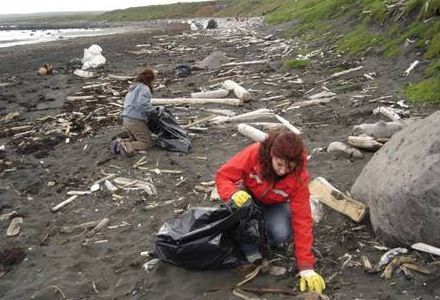
Additional task, depending on advance of the reforestation project, will be cleaning up the coastline in the area, as one of the biggest pollution issues in the area is the litter brought to the shore due to sea currents that even bring timber as far as from Siberia.

Study theme: Environmental messenger in the project. S/he will be in charge of delivering ecological and global education messages to both, international volunteers and local hosts through organised activities as workshops, presentations, simulations, discussions, games on topics related to environment, nature protection and sustainability as use of resources, globalisation, millennium development goals, global warming, fair trade, recycling, consumption, etc. We intend to raise awareness and to encourage the participants to undertake simple but easy-to-implement actions which will affect the way we deal with the environment and the world we live in.

Language: English

Leisure time: Free entrance to the local modern swimming pool, sports centre facilities. Excursions will be arranged by the local hosts.

Accommodation: Volunteers will be lodged in the local sports centre, sleeping on mattresses. Therefore a warm sleeping bag is highly suggested. We luckily have access to the nearby local swimming pool and sport centre with top-quality facilities.

Location: Þórshöfn* is a compact, busy little town at the base of the Langanes Peninsula in the North-East of Iceland, located at the Þistilfjörður. The entire district (including farms and the village of Bakkafjörður) has 479 Inhabitants (01.12.2007) and they base their livelihood on fishing, fish processing and commerce serving the surrounding rural farming area. It is probably the best place in Iceland to experience what it is like to live in an isolated village almost 60 miles, 100 km from the next village. Around 400 people live in the village itself and the distance from the capital is 629 km by the Whale Bay tunnel.

The Langanes peninsula is the last word in Icelandic remoteness and it narrows like a spear point toward northeast and its fowling cliffs have been and still are a means of sustenance for those, who live there. Nowadays, the area is very sparsely populated. Most farms have been abandoned during the last few decades. Some of the remaining farmers tend the breeding colonies of the eiders and collect their down, clean it and sell at high prices.

Nature lovers often spend days on end at the densely populated bird cliffs watching gannets, puffins, guillemots, brunnich's guillemots, black guillemots, razorbills, kittiwakes, fulmars etc. One of the best places for the observation of the gannets is Cliff Storikarl off the bird cliff Skoruvikurbjarg. Other bird species colonise different parts of the peninsula, such as the arctic terns near the farm Ytra-Lon.

* The name Þórshöfn is the harbor of Þór. Þór is the thunder god. His wife’s name is Sif. Þór is the son of Odin the most powerful god. Odin’s horse Sleipnir put one of its eight feet down in Ásbyrgi, hence the horseshoe shape. It is a must to visit the ponds in Ásbyrgi on your way to Dettifoss.

Terminal: Closest International Airports: Keflavík (Reykjavík), KEF and Akureyri; nearest domestic airport is Þórshöfn (THO), while the closest bus stop is in town.

Age range: 18 and over

Extra fee: EUR 100,-
The extra fee is intended to support the local host of the project and is payable upon arrival.


Beautifying towns and coastline areas in the Eastfjords of Iceland
       Neskaupstaður
          June 1 - June 15, 2008
       Neskaupstaður          June 25 - July 9, 2008

Volunteer project: Neskaupstaður is a medium sized town by Icelandic standards, has the largest population (1402 inh.) of any of the towns in the East Fjords, is almost completely self-sufficient and has grown and prospered since the early 1900's, thanks to the fishing industry. Its remoteness has led to a necessary self-sufficiency, including the town having its own bakery, dairy, supermarkets, banks, post office, school, sports hall, swimming pool, church, hospital, harbour, airstrip, hotel, jazz club, rescue centre, etc. In fact, it seems to have all the services you would expect in a larger town except an optician! To the east of the town, facing the ocean, there is a nature reserve and recreational area. The lower section of it, called Hagi, is the location of the renowned Páskahellir (Easter Cave), which is essentially a rock vault over the shore. Holes left by thick, 10-12-million-year-old tree trunks may be seen inside the vault and, as is typical in Iceland, there are various folk tales associated with the cave. Neskaupstaður is only reachable after driving through a one-way tunnel.

“Fjarðabyggð” is an association of different communities in the Eastfjords of Iceland. It includes the towns of Eskifjörður, Fáskrúðsfjörður, Mjóifjörður, Neskaupstaður, Reyðarfjörður and Stöðvarfjörður. The towns have a lot of things in common: They are all small fishing villages with steep mountains just behind the houses. In this area you will find most of the things that make Iceland a unique place on a global scale. The fjords are magnificent and the sea is full of life, the birdlife is very rich and you can find a great variety of hiking paths. You will get to know the area during your stay in the east and it depends on the tasks and the situation in Fjarðabyggð where you will be working during the project.

Most of the work will be cleaning and beautifying the towns and the surrounding area. We will also clean the coastline, plant some trees and even make hiking paths. The work available will depend on the weather conditions and that’s why we have to be a bit flexible. Please keep in mind that the work might be physically hard and you should be prepared for unfriendly weather, even though it will be nice most of the time, hopefully.

Language: English

Leisure time: Free access to the local swimming pool, great places for hiking. Excursion or a boat trip will be organized by the hosting partner.

Accommodation: In a community center. Mattresses will be provided and everyone is asked to bring his/her own warm sleeping bag. We will have showers at the local swimming pool and sports centre.

Location: Neskaupstaður in Fjarðabyggð.

Terminal: Intl. Airport: Keflavík (Reykjavík), KEF. Egilsstaðir airport is 40 km away from the project.

Age range: 18 and over


Preparing the 100th anniversary celebrations in the town of Gardur
       Garður, Reykjanes Peninsula
          June 2 - June 16, 2008

Volunteer project: Volunteers will be living and working at the Garður community in the south-west of Iceland. The town of Garður celebrates its 100th anniversary this year, on June 15th, and the international volunteers will be a crucial part of diverse types of jobs prior to the celebrations on the weekend and the happenings during the festivities.
Volunteers will be performing different types of tasks during the 2 weeks and some of them include laying down grass surfaces, cleaning up the public areas and coastline, planting trees and flowers, maintaining some of the trails along the shore and general preparations for the celebrations.
Depending on the advance of the projects, volunteers may have other possible tasks as putting up of signs in noteworthy places; as works on common and green recreational areas, gardening and painting works, etc.

Study theme: Environmental messenger in the project. S/he will be in charge of delivering ecological and global education messages to both, international volunteers and local hosts; organising few activities on topics related to environment, nature protection and sustainability.

Language: English

Leisure time: Excursions and free time activities in the area will be arranged for the volunteers.

Accommodation: Volunteers will be lodged in a local house, sleeping on mattresses; a warm sleeping bag is suggested. If wished, some volunteers may stay in tents.
The house has a well equipped kitchen and basic facilities, except for showers, which are located in the sports centre nearby. Access to the swimming pool is free of charge for the volunteers.

Location: Garður is located in the south-west of Iceland, on the Reykjanes peninsula and its population amounted 1451 on December 31st, 2006; while its surface is of 21 km². Those who have been to Garður say there is no better place on earth to understand the enormity of the ocean than at Garðskagatá, the narrow strip of land, bordered by the Faxaflói bay on one side and the Atlantic Ocean on the other. This open field is unsheltered by any mountains and the view across the water is panoramic and of great beauty. The old lighthouse at Garðskagatá was built in 1897.

Garður (The name means Garden) is one of few counties to be proud of their lighthouses. The old lighthouse has served more than fishermen and sailors, as it has been a popular bird watching hideout for many years. In the spring, many thousands of migrating birds settle in the south and west of the area to rest for a few days before spreading out all over the country.

The old fishing grounds just outside the shore were the reason the settlement here came to be and in earlier times the number of ships being outfitted at the Útskálasókn outfitters here was around 200 a year. Many people are surprised to find the clearest evidence of agriculture in Iceland here, in the ancient settlement of Útskáli. This garden is what gave the county its local name of Garður.

Reykjanes (or Reykjanesskagi) is a peninsula and a volcanic system situated at the south-western end of Iceland, near the capital of Reykjavík. The peninsula is marked by active volcanism under its surface, and large lava fields, allowing little vegetation. There are numerous hot springs and sulphur springs in the southern half of the peninsula, around the Kleifarvatn lake and the Krýsuvík geothermal area. There is also a geothermal power station at Svartsengi. Near the power station a swimming pool has been installed using the hot and mineralized water coming down from the power station; it is known as the "Blue Lagoon" (Bláa Lónið).

Terminal: Closest International Airport: Keflavík (Reykjavík), KEF.

Age range: 18 and over

Extra fee: EUR 80,-
The extra fee is intended to support the local host of the project and is payable upon arrival.


Environmental activities and tree planting in the unique Hveragerdi hot spring area
       Hveragerði
          June 5 - June 19, 2008

Volunteer project: Hveragerði is a small town of about 1,700 inhabitants that lies some 45 km east of Reykjavík. This friendly little community sits on top of a highly active geothermal field, providing heat to hundreds of greenhouses where fruit, flowers and vegetables are produced throughout the year; you can even find bananas growing in these houses. The name Hveragerði means ‘hot springs garden’. Geothermal energy is Hveragerði’s lifeblood, and it would be difficult to find such a natural wonder in the middle of a populated area anywhere else in the world. Very interesting is Gufudalur, the lovely ‘Steam Valley’ behind the town. The whole valley explodes with hot springs, geysers, mud pots, fumaroles and steaming vents.

The international volunteers will help fixing walking paths, cleaning and beautifying the hot spring area in the middle of the village and planting trees.

Language: English

Leisure time: Free access to the local swimming pool. Guided hikes with locals.

Accommodation: In the local theatre, on mattresses. Participants are asked to bring a sleeping bag.

Location: The village of the hot springs Hveragerði

Terminal: Intl. Airport: Keflavík (Reykjavík), KEF. Distance from the airport 80 km.

Age range: 18 and over


Environmental work and construction of hiking paths along the spectacular south coast of Iceland
       Vík í Mýrdal
          June 5 - June 19, 2008

Volunteer project: Vík in Mýrdalur is Iceland's most southern village, bordered by the glacial river Jökulsá to the west and the river Blautakvísl to the east. Its northern border is the Mýrdalsjökull glacier, which caps the volcanic Mt. Katla, while its southern limits are black sands and the rolling Atlantic waves. The district lives mainly by agriculture. Although this community of 600 inhabitants faces the open Atlantic, Vík is the only seaside settlement in Iceland left without a harbour due to natural circumstances. The natural beauty of the area is spectacular. Just east of the village's outskirts lies one of Europe's biggest arctic tern breeding grounds. South of Vík, there is a beautiful beach, which an international magazine named one of the world's ten best island beaches in 1991. A short hike within the close vicinity of Vík is sure to satisfy all serious nature lovers and bird watchers. Vík and its surroundings is one of the main bird life areas in Iceland.

Volunteers' tasks include constructing walking and hiking paths, cleaning the coastline, taking down old fences in the surroundings of the town.

Study theme: The study theme of the project is “The hidden people, alfs and trolls”

Language: English

Leisure time: Free access to the local swimming pool, good places for hiking. Excursions will be organized by the hosting partner.

Accommodation: In a house owned by the local community, on mattresses, participants are asked to bring a sleeping bag.

Location: Vík í Mýrdal.

Terminal: Intl. Airport: Keflavík (Reykjavík), KEF. Distance from the airport 200 km.

Age range: 18 and over

Extra fee: EUR 60,-
The extra fee is intended to support the local host of the project and is payable upon arrival.


Beautifying towns and coastline areas in the Eastfjords of Iceland
       Eskifjörður
          June 13 - June 27, 2008

Volunteer project: Eskifjörður is a major fishing town (population: 972) and an export harbour with direct sailing to Europe, which is located at the northern shore of the fjord Eskifjörður. It is built on a small sand spit and up the slopes of the mountain which rises above the town. Its main industries are fishing and small-scale farming. Eskifjörður became an authorized trade port in 1786 and has been a commercial center since 1798. One of the several shops in Eskifjörður, Gamlabúð, built in 1816, houses the Maritime Museum Of East Iceland. Eskifjörður town faces the mountain Hólmatindur, from the top of which you can view some of the tallest mountains in the Icelandic interior. One of the favored sights in the area is the Helgustaðanáman mine, which is one of the world’s best-known sources of Icelandic spar. The area, which is just a ten-minute drive from the town, is a nature reserve and open to all, free of charge. A swimming pool with hot pots (geothermal pools) and a sauna are located in Eskifjörður, as well as a gallery and a crafts shop.

“Fjarðabyggð” is an association of different communities in the Eastfjords of Iceland. It includes the towns of Eskifjörður, Fáskrúðsfjörður, Mjóifjörður, Neskaupstaður, Reyðarfjörður and Stöðvarfjörður. The towns have a lot of things in common: They are all small fishing villages with steep mountains just behind the houses. In this area you will find most of the things that make Iceland a unique place on a global scale. The fjords are magnificent and the sea is full of life, the birdlife is very rich and you can find a great variety of hiking paths. You will get to know the area during your stay in the east and it depends on the tasks and the situation in Fjarðabyggð where you will be working during the project.
In this time of the year, there is almost no night in Iceland. Be ready for the daylight all around the clock.

Most of the work will be cleaning and beautifying the towns and the surrounding area. We will also clean the coastline, plant some trees and even make hiking paths. The work available will depend on the weather conditions and that’s why we have to be a bit flexible. Please keep in mind that the work might be physically hard and you should be prepared for unfriendly weather, even though it will be nice most of the time, hopefully.

Language: English

Leisure time: Free access to the local swimming pool, guided hikes with locals. Excursions will be organized by the hosting partner.

Accommodation: We will be staying in a nice community center. Mattresses will be provided and everyone is asked to bring his/her own warm sleeping bag. We will have showers at the local swimming pool and sports centre.

Location: Eskifjörður in Fjarðabyggð.

Terminal: Intl. Airport: Keflavík (Reykjavík), KEF. Egilsstaðir airport is 40 km away from the project.

Age range: 18 and over


Construction of hiking trails and maintenance of mountain huts in the natural reserve of Thorsmork
       Nature reserve of Þórsmörk
          June 16 - June 28, 2008

Volunteer project: A team of international volunteers will work this year again in the natural protected area of Þórsmörk. Volunteers’ tasks will be mainly focused on construction, maintenance and marking of walking paths and hiking trails, as well as maintenance of the mountain huts in the area, painting and renovation works on the cabins, along with forestry works.

Study theme: Environmental messenger in the project. S/he will be in charge of delivering ecological and global education messages to both international volunteers and local hosts through organised activities as workshops, presentations, simulations, discussions, games on topics related to environment, nature protection and sustainability as use of resources, globalisation, millennium development goals, global warming, fair trade, recycling, consumption, etc. We intend to raise awareness and to encourage the participants to undertake simple but easy-to-implement actions which will affect the way we deal with the environment and the world we live in.

Language: English

Leisure time: Remote places located in natural reserved areas of extreme beauty. Guided hikes and free time activities in the area will be arranged for the volunteers.

Accommodation: Volunteers will stay in the huts and will sleep either on bunk beds or mattresses. A warm sleeping bag is strongly recommended.

Location: The Þórsmörk natural reserve is one of the most beautiful places in Iceland, surrounded by natural boundaries like mountains, ice caps and Glacier Rivers & lagoons. The Thorsmörk area is bounded by Krossá River to the south, Markarfljót River to the west, Ljósá River to the north and the ice cap Mýrdalsjökull to the east. Thorsmörk is an idyllic place of exceptional meteorological conditions hidden in the embrace of glaciers and mountains and was actually a fjord from the ocean about 12.000 years ago. The weather here is also often known to be better and less windy than in the immediate surrounding areas - making it a great destination to go to when the weather is lousy elsewhere. The glacier lagoon here is very popular to visit as well.

Þórsmörk is a place of breathtaking landscapes and a fauna of great variety. It is the home of 170 seminiferous plants as well as a variety of trees, moss and fern. The main reason for the variety of plants and trees is probably attributed to the fact that the area has been exempt from sheep and horsegrazing for over 100 years - sheltering them from their apparent negative impact on the flora.

Þórsmörk is one of Iceland’s brightest pearls in the string of beautiful areas of the country, surrounded by rugged and beautiful mountains, glaciers and glacial rivers, decorated with small birch woods and silver lined with humming brooks. Icelanders appreciate Þórsmörk (The Forest of Þór) very much and visit it frequently the whole year round. Quite a few brooks and rivers have to be forded to get there.

Þórsmörk is famous for spectacular nature and is very popular to visit and go hiking. There are many hiking trails in Þórsmörk, one can hike inside the area or hike over the unique trail “Laugavegur” to Landmannalaugar. During summer many people come to Þórsmörk to begin the journey/trail/hiking or to relax after the 2-3 days journey/trail/hiking from Landmannalaugar. There is also a special trail from Skógar to Þórsmörk “Fimmvörðuháls” so it is a perfect place for nature lovers and those who enjoy being outdoors.

Þórsmörk is situated in the south of Iceland, about 160 km from Reykjavík, between 3 glaciers in a place of surreal beauty. For years, the only access to this wondrous place was by a powerful or altered jeep to cross the treacherous rivers, but that is no longer the case.

Terminal: Closest International Airport: Keflavík (Reykjavík), KEF. Closest bus stop is Hvolsvöllur.

Age range: 18 and over

Extra fee: EUR 130,-
The extra fee is intended to support the local host of the project and is payable upon arrival.


Coastline cleaning up activities on the island of Videy
       Island of Viðey
          June 19 - July 3, 2008
       Island of Viðey          August 14 - August 28, 2008

Volunteer project: Volunteers will be living and working on the island of Viðey; the city of Reykjavík will be our host again and we will work on environmental or nature related matters. Most of the project will be dedicated to coastline cleaning up actions. The island is located not far away out of the capital’s coast and sea currents bring considerable amounts of trash to its shores. Depending on the advance of the project, volunteers may have other possible tasks as maintenance and marking of hiking paths or bicycle trails, help in summer events, putting up signs in noteworthy places; as well as works on common and green recreational areas, gardening and painting works, etc.

Study theme: Environmental messenger in the project. S/he will be in charge of delivering ecological and global education messages to both international volunteers and local hosts; organising few activities on topics related to environment, nature protection and sustainability.

Language: English

Leisure time: Excursions (as whale watching tours) and free time activities in the area will be arranged for the volunteers. Volunteers will have free rides in the boat/ferry to the city of Reykjavík during their free time.

Accommodation: Volunteers will be lodged in a local house, sleeping on mattresses; a warm sleeping bag is suggested. If wished, some volunteers may stay in tents.

Location: Viðey, the name of the island is translated into English as “Wood Island”. Viðey is the largest island of the Kollafjord Bay (1,7 km²) with its highest point rising 32 m above sea level. It is divided by a short isthmus and the western part is called The West Island (Vesturey). The large part, with the church and Viðeyjarstofa (Viðey House), is called The Home Island (Heimaey) and the southeastern part is called The East Island (Austurey). The island is of volcanic origins and was formed about 2 million years ago; several spots on the island depict beautiful basaltic columns, while it is well vegetated and boggy in places. About 156 species of higher plants have been found on the island and the avifauna is highly interesting. At least 30 species of breeding birds have been counted, the most common ones are eiders and the lesser black backed gull. Archaeological excavations have disclosed the fact, that the island was inhabited already in the 10th century. In the 12th century a church was built on the island and in 1225 an Augustine monastery was established there, which was a centre for pilgrimage in the Middle Ages until it was abolished in 1539 after the reformation had started in Iceland.

The Viðeyjarstofa house was built in 1755 and is thus the first construction made of stone and cement in the country. The church was consecrated in 1774 and is the second oldest one still standing. The island became the seat of the first Icelandic treasurer and later the first Icelandic sub-governor, Mr Skuli Magnusson. In the beginning of the 20th century the country's first harbour for ocean going vessels was built on the eastern part of the island and a hamlet developed there. The last inhabitant left it in 1943, when the harbour of Reykjavik had taken over.

There are hiking and cycling paths around the island and there is no motor traffic allowed. It also inhabits intriguing sculptural art work, amongst them all nine pairs of basalt pillars that comprise Richard’s Serra’s work Áfangar and Yoko Ono’s peace column. The island has been subject of interest lately, regarding the potential moving of Reykjavik City Museum-Arbaejarsafn (an open-air folk museum) to the island.

Other places of interest on Viðey are related to archaeological research and the village. At the eastern end of the island is the site of the abandoned fishing village and Viðeyjarnaust, at the southwest of the island, it is a memorial to the twenty men who lost their lives when the cutter Ingvar sank off Viðey in 1906. Dramatic formations of columnar basalt may be seen on the shore.

Terminal: Closest International Airport: Keflavík (Reykjavík), KEF. Closest bus terminal in Reykjavík.

Age range: 18 and over

Extra fee: EUR 150,-
The extra fee is intended to support the local host of the project and is payable upon arrival.


Building a Home for the Trolls
       Reykjanes
          June 22 - July 6, 2008
       Reykjanes          July 24 - August 7, 2008

Volunteer project: This project will take place in Reykjanesbær which is a major center of fishing and fish processing, although in recent years tourism has played an increasingly important role in the local economy. Reykjanes has something for everyone. Steeped in a rich vein of history, folklore and tradition, the region is also home to some of the world's greatest geological wonders, including the Reykjanes Ridge, meeting place of the Eurasian and American continental plates. Teeming with a wealth of bird and marine life whose habitats lie amid some of Iceland's most spectacular coastal scenery, Reykjanes is the natural choice for all lovers of the outdoors.
In this town, the authorities are very open for new ideas, for example here you can find the former NATO base which is now becoming a University village and a centre of art and film making.

The authorities are now planning to build “a home for Trolls” near to the port of the town, close to the center. Like elves, trolls are also part of the ancient heritage of the Scandinavian mythology. Although they are human-like in form, they are still inhumanly strong, huge and ugly. They are very often thought to be fearsome and cruel creatures. But, like elves, trolls often treat people as they are treated and they return favors for favors, exerting vengeance if harmed. Trolls live in mountains, caves and cliffs, especially bird cliffs. Like humans, they live together socially. They fish, cultivate land and keep animals. They are also very good at handicrafts and hold feasts.

There is a very well known art group here in Iceland called Nordan Bál that has been doing all kind of art and performances in Iceland. This group will do the construction of the Cave (home) of the Trolls and also make the furniture and other things that they need for their daily life. Everything will be oversized so it will fit the big creatures. The international volunteers will help the art group to build the home and will also do some environmental work in the area around the place. Please notice that we will work with heavy things so the work can be physically demanding.

Language: English

Leisure time: Free access to the local swimming pool. Excursions will be organized by the locals.

Accommodation: In a house owned by the local community, participants are asked to bring a sleeping bag.

Location: Reykjanesbær on the Reykjanes peninsula

Terminal: Reykjavík – Keflavík Int. Airport is only 10 minutes away from the town.

Age range: 18 and over

Extra fee: EUR 80,-
The extra fee is intended to support the local host of the project and is payable upon arrival.


Cleaning up shores and beaches in the north east of Iceland
       Kópasker
          June 23 - July 6, 2008

Volunteer project: The administration authorities of the Norðurþing district will be our hosts again and we will continue working on environmental related matters as in the past years: One of the biggest pollution issues in the North East of Iceland, is the litter and waste brought to the shore due to sea currents that bring all kinds of materials, even timber as far as from Siberia.
Volunteers’ work will be mainly focused on cleaning up the shores and beaches in the area. Additional work may be undertaken depending on the cleaning up actions on the coastline; if well advanced, we may work on reforestation tasks as marking some walking paths and hiking trails.

Study theme: Environmental messenger in the project. S/he will be in charge of delivering ecological and global education messages to both international volunteers and local hosts; organising few activities on topics related to environment, nature protection and sustainability.

Language: English

Leisure time: Access to the local sports centre. Excursions in the area will be arranged for volunteers by our local host.

Accommodation: Volunteers will be hosted in the local sports centre in Kópasker, and will sleep on mattresses; therefore bringing a warm sleeping bag is highly recommended. Please expect plenty of Icelandic mountain (organic) lamb, cod and haddock in the menu! Vegetarians are however easily catered. During the time of the project volunteers will experience the midnight sun and 24 hours of light!

Location: The Norðurþing district, located in the North east of Iceland (region Norðurland eystra) was formed in the year 2006 after joining together the city district of Húsavík (isl. Húsavíkurbær) with the country districts of Keldunes (Kelduneshreppur), Öxarfjörður (Öxarfjarðarhreppur) and Raufarhöfn (Raufarhafnarhreppur). It comprises an area of approx. 3800 km² and around 3000 people live in the whole district; around 125 in Kópasker itself.

This part of the country is a great place to visit. Some of Iceland’s most precious pearls of nature are found there, including the northernmost point of the country on Melrakkaslétta (Arctic Fox Plain) and The Jökulsárgljúfur National Park with Dettifoss (probably the best known Icelandic waterfall and the most powerful in Europe) and the enormous Ásbyrgi canyon (a horseshoe-shaped depression measuring approximately 3.5 km in length and 1.1 km across!).

Natural beauty is characteristic for the area, alongside a flourishing countryside where agriculture is the main industry while fishing, fish processing and commerce are the main bases of livelihood. As you look over the fjords you will notice a few mountains each shaped in its own way, silent reminders of the country's more violent geological history. Farther east you will become aware of how the sea must have been an unforgiving neighbour at times and shaped the lives of the people living along the coast here. A mysterious but yet fascinating place to go as you won’t get any farther north than on Melrakkaslétta, where you will find the two northernmost points of Iceland namely Rif and Hraunhafnartangi. Melrakkaslétta is also a bird watchers' paradise.

The distance between Kópasker and Reykjavík is about 620 km. In the town you will find all the services as convenience store, gas station, guest house, camping site, post, bank, garage, etc.

Kópasker: The name of the town means “seal pup reef” or “seal scub skerry”. Most days one can see seals and their cubs basking on skerries or surfacing briefly to observe the people. Nearly every day you can see seals swimming in the ocean along the shoreline, or laying on rocks just a stones throw from shore.

Terminal: Closest International Airports: Keflavík – Reykjavík (KEF), Akureyri (AEY) and Egilsstaðir (EGS); and closest bus terminal is in the town of Kópasker.

Age range: 18 and over

Extra fee: EUR 120,-
The extra fee is intended to support the local host of the project and is payable upon arrival.


Experience life in a Viking village
       Hafnarfjörður
          June 24 - July 8, 2008
       Hafnarfjörður          July 9 - July 23, 2008

Volunteer project: Hafnarfjörður is a town with population of 23.500 people. It is located 10 km away from the capital, Reykjavík. Hafnarfjörður takes its name (meaning Harbour-fjord) from the area's excellent natural harbour. The town is first named in the medieval "Book of Settlements", and the earliest reports of voyages to Hafnarfjörður date from the end of the 14th century. Today, Hafnarfjörður is one of the nation's largest fishing centres and the site of Iceland's first fish wholesalers' auction market.

Hafnarfjördur is famous for having one of Iceland’s largest settlements of elves, dwarves and other mystical beings, which are usually called ‘Hidden Folk’. Centuries-old folklore has it that whole clans of such beings reside in the rocks that make up part of the town’s centre. We do not doubt this at all. Though elves are visible only to those with second sight, a great many Icelanders believe in their existence. Indeed, there is much evidence to support this belief, as stories abound of instances where new roads or housing developments were under construction and strange happenings took place. Hidden Folk enjoy a certain regard, and nowhere more so than in Hafnarfjördur. There is even a Hidden Worlds tour that takes you to their home sites, stopping at places like Hellisgerdi Park and the base of the cliff Hamarinn, which is said to be home to the Royal Family of the Hidden Folk. Along the way, the guide relates ancient folk tales of the magical hidden worlds and describes how the town grew and developed in harmony with the Hidden Folk.

The Vikings settled Iceland around 874 AD and the Icelanders are very proud of those brave people who had the courage to start a life here in the middle of the Atlantic Ocean. In Hafnarfjörður there is a small Viking village where the volunteer project will take place. Icelanders and Vikings from abroad celebrate their heritage with appropriate style. The Vikings' wild and adventurous spirit lives on today, in the people of this unique country. In the village there is a lot of fun; there are displays of ancient arts and crafts, and large gruff men in full Viking attire demonstrate their ancient battle skills to anyone brave enough to challenge them.

The volunteers will work in the Viking village most of the time but they will also help the local community with some environmental tasks. While working in the Viking village the volunteers will receive Viking costumes to wear and perform different tasks. They will give assistance to visitors, and help the other Viking volunteers in the kitchen, serving meals or cleaning the area. They will also have the opportunity to make paintings, sculptures or other pieces of art and sell them in the shopping street in the village. This project is really perfect for people with art skills.

Study theme: The Saga of the Vikings

Language: English

Leisure time: Excursions and free time activities will be arranged for the volunteers. The volunteers will have free access to the local swimming pool.

Accommodation: In a house near the center of Hafnarfjörður, sleeping on mattresses. Don’t forget to bring a warm sleeping bag.

Location: Hafnarfjörður, south of Iceland’s capital Reykjavík

Terminal: Intl. Airport: Keflavík (Reykjavík), KEF. Distance from the airport 35 km.

Age range: 18 and over

Extra fee: EUR 120,-
The extra fee is intended to support the local host of the project and is payable upon arrival.


Beautifying towns and coastline areas in the Eastfjords of Iceland
       Fáskrúðsfjörður / Stöðvarfjörður
          June 30 - July 14, 2008

Volunteer project: Fáskrúðsfjörður was the main port for French fishermen in the 1900s in East Iceland both prior to and well after the turn of the century. At Fáskrúðsfjörður there was a French consul, a French hospital and a French chapel. The street names are still in Icelandic and in French. The mountain slopes in Fáskrúðsfjörður are partially grown with bushes, including wild aspens on the north coast. Sandfell mountain, very near to Fáskrúdsfjörður is a cone-shaped, rhyolite mountain on the south side of the fjord, rising to a height of 743 meters. When molten rhyolite lifts older layers of lava, so-called laccolith is formed. Sandfell, about 600 m thick, is a famous example of this and is in fact one of the best visible examples of the Tertiary period in the northern hemisphere. A hike to the top of Sandfell is extremely enjoyable and takes 2-3 hours. Skrúður is a grassy but rockbound island east of Fáskrúðsfjörður. It has an abundance of bird life, including puffins, kittiwakes, various black birds from the Alcidae family, gannets, storm petrels and Leach’s petrels. Skrúðshellir cave at Skrúður is the largest "puffin cave" in the world.

“Fjarðabyggð” is an association of different communities in the Eastfjords of Iceland. It includes the towns of Eskifjörður, Fáskrúðsfjörður, Mjóifjörður, Neskaupstaður, Reyðarfjörður and Stöðvarfjörður. The towns have a lot of things in common: They are all small fishing villages with steep mountains just behind the houses. In this area you will find most of the things that make Iceland a unique place on a global scale. The fjords are magnificent and the sea is full of life, the birdlife is very rich and you can find a great variety of hiking paths. You will get to know the area during your stay in the east and it depends on the tasks and the situation in Fjarðabyggð where you will be working during the project.

Most of the work will be cleaning and beautifying the towns and the surrounding area. We will also clean the coastline, plant some trees and even make hiking paths. The work available will depend on the weather conditions and that’s why we have to be a bit flexible. Please keep in mind that the work might be physically hard and you should be prepared for unfriendly weather, even though it will be nice most of the time, hopefully.

Language: English

Leisure time: Free access to the local swimming pool, guided hikes with locals. Excursions will be organized by the hosting partner.

Accommodation: We will be staying in the local school. Mattresses will be provided and everyone is asked to bring his/her own warm sleeping bag. We will have showers at the local swimming pool and sports centre.

Location: Fáskrúðsfjörður / Stöðvarfjörður in Fjarðabyggð.

Terminal: Intl. Airport: Keflavík (Reykjavík), KEF. Egilsstaðir airport is 60 km away from the project

Age range: 18 and over


Environmental activities and preparation of the International Folksong Festival in Siglufjordur
       Siglufjörður
          July 1 - July 15, 2008

Volunteer project: Siglufjördur is the northernmost town in Iceland, located at the foot of towering mountains on the shore of a small fjord bearing the same name. Fishing and the processing of marine products provide the principal source of employment for the town's 1,600 residents, as the settlement has developed around one of the country's best natural harbours. The historic architecture, the colourful rooftops of the upper town, the harbour and inspiring backdrop are all postcard material on a fine day. There is plenty of variety in the life of the town, which includes many sorts of social and cultural activities. Both the church and music school are centers for musical activities, and sports are very popular. Furthermore, the splendour of the mountains and natural beauty are practically an invitation to everyone.

The volunteers will be involved in planting trees, cleaning the coastline and making hiking paths. The group will also give a helping hand with the preparation and the running of the International Folksong Festival, held between July 4th and 8th.

Language: English

Leisure time: Free access to the local swimming pool, guided hikes with locals.

Accommodation: In a house owned by the local community, on mattresses, participants are asked to bring a sleeping bag.

Location: Siglufjörður

Terminal: Intl. Airport: Keflavík (Reykjavík), KEF.

Age range: 18 and over

Extra fee: EUR 90,-
The extra fee is intended to support the local host of the project and is payable upon arrival.


Forestry activities and paths maintenance in the unique Hveragerdi hot spring area
       Hveragerði
          July 4 - July 18, 2008

Volunteer project: Hveragerði is a small town of about 1,700 inhabitants that lies some 45 km east of Reykjavík. This friendly little community sits on top of a highly active geothermal field, providing heat to hundreds of greenhouses where fruit, flowers and vegetables are produced throughout the year. The name Hveragerði means ‘hot springs garden’. Geothermal energy is Hveragerði’s lifeblood, and it would be difficult to find such a natural wonder in the middle of a populated area anywhere else in the world. Very interesting is Gufudalur, the lovely ‘Steam Valley’ behind the town. The whole valley explodes with hot springs, geysers, mud pots, fumaroles and steaming vents.

The international group of volunteers will be fixing walking paths and working in the forestry in the frame of this project.

Language: English

Leisure time: Free access to the local swimming pool, guided hikes with locals. Excursions will be organized by the hosting partner.

Accommodation: In the local theatre, sleeping on mattresses, participants are asked to bring a sleeping bag.

Location: Hveragerði

Terminal: Intl. Airport: Keflavík (Reykjavík), KEF. Distance from the airport 80 km.

Age range: 18 and over

Extra fee: EUR 90,-
The extra fee is intended to support the local host of the project and is payable upon arrival.


Preserving the environment at the edge of the Arctic circle
       Raufarhöfn
          July 5 - July 18, 2008

Volunteer project: The administration authorities of the Norðurþing district will be our hosts again and we will continue working on environmental related matters as in the past years: One of the biggest pollution issues, in the North East of Iceland, is the litter and waste brought to the shore due to sea currents that bring all kinds of materials, even timber as far as from Siberia.
Volunteers’ work will be mainly focused on cleaning up the shores and beaches in the area. Additional work may be undertaken depending on the cleaning up actions on the coastline; if well advanced, then volunteers may work on marking some walking paths and hiking trails.

Study theme: Environmental messenger in the project. S/he will be in charge of delivering ecological and global education messages to both international volunteers and local hosts; organising few activities on topics related to environment, nature protection and sustainability.

Language: English

Leisure time: Excursions in the area will be arranged for volunteers by our hosts.

Accommodation: Volunteers will be hosted in the local school building in Raufarhöfn, where we will share rooms and sleep on mattresses; therefore bringing a warm sleeping bag is highly recommended. Please expect plenty of Icelandic mountain (organic) lamb, cod and haddock in the menu! Vegetarians are however easily catered. During the time of the project volunteers will experience the midnight sun and 24 hours of light! Raufarhöfn is the northernmost town of Iceland, lying just 3 km south of the Arctic circle.

Location: The Norðurþing district, located in the North east of Iceland (region Norðurland eystra) was formed in the year 2006 after joining together the city district of Húsavík (isl. Húsavíkurbær) with the country districts of Keldunes (Kelduneshreppur), Öxarfjörður (Öxarfjarðarhreppur) and Raufarhöfn (Raufarhafnarhreppur). It comprises an area of approx. 3800 km² and around 3000 people live in the whole district; around 235 in Raufarhöfn itself.

This part of the country is a great place to visit. Some of Iceland’s most precious pearls of nature are found there, including the northernmost point of the country on Melrakkaslétta (Arctic Fox Plain) and The Jökulsárgljúfur National Park with Dettifoss (probably the best known Icelandic waterfall and the most powerful in Europe) and the enormous Ásbyrgi canyon (a horseshoe-shaped depression measuring approximately 3.5 km in length and 1.1 km across!).

Natural beauty is characteristic for the area, alongside a flourishing countryside where agriculture is the main industry while fishing, fish processing and commerce are the main bases of livelihood. As you look over the fjords you will notice a few mountains each shaped in its own way, silent reminders of the country's more violent geological history. Farther east you will become aware of how the sea must have been an unforgiving neighbour at times and shaped the lives of the people living along the coast here. A mysterious but yet fascinating place to go as you won’t get any farther north than on Melrakkaslétta, where you will find the two northernmost points of Iceland namely Rif and Hraunhafnartangi. Melrakkaslétta is also a bird watchers' paradise.

The distance between Raufarhöfn and Reykjavík is about 645 km. In the town you will find all the services such as a convenience store, gas station, guest house, camping site, post office, bank and garage. Raufarhöfn is the northernmost town of Iceland, lying just 3 km south of the Arctic circle.

Terminal: Closest International Airports: Keflavík – Reykjavík (KEF), Akureyri (AEY) and Egilsstaðir (EGS); and closest bus terminal is in the town of Raufarhöfn.

Age range: 18 and over

Extra fee: EUR 120,-
The extra fee is intended to support the local host of the project and is payable upon arrival.


Protection, care and development of green spaces in the Greater Reykjavik Area
       Mosfellsbær
          July 6 - July 19, 2008

Volunteer project: Mosfellsbær (population: 7.200) lies just 17km north of Reykjavík. Often called "the green to